
KIT spark Opening
Do you have ideas for the future and want to implement them together with the scientific community and society? KIT spark, a new infrastructure at KIT, opened on October 9, 2026, as part of the Real:labor Festival 3.0. Founded by the KIT Institute of Information Systems (WIN), the Institute for Technology Assessment and Systems Analysis (ITAS), and the KIT Humans and Technology Center, KIT spark brings together researchers, stakeholders from the city, and citizens to advance socially oriented, human-centered, and transdisciplinary research.
Highlights from the KIT spark Opening Ceremony
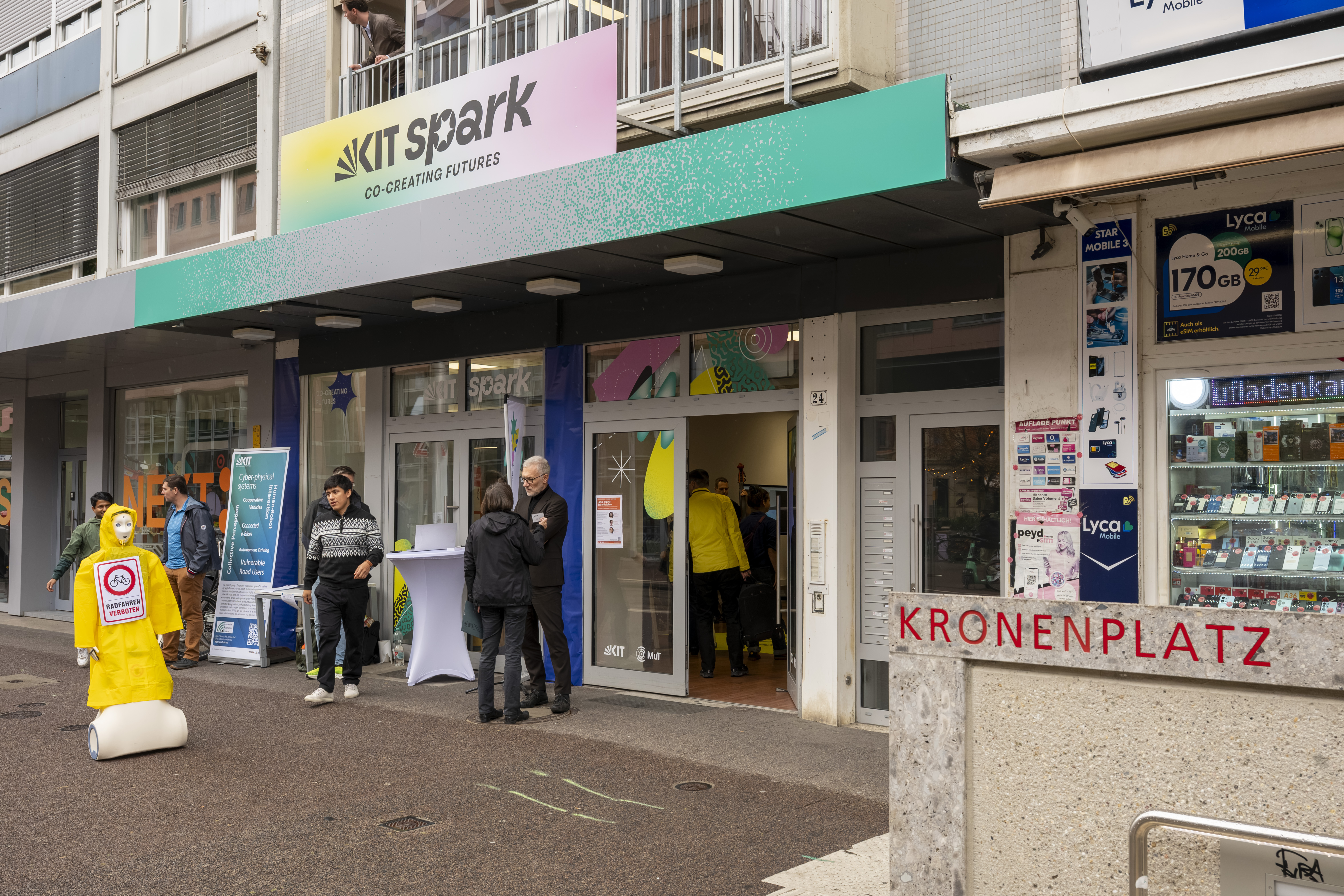
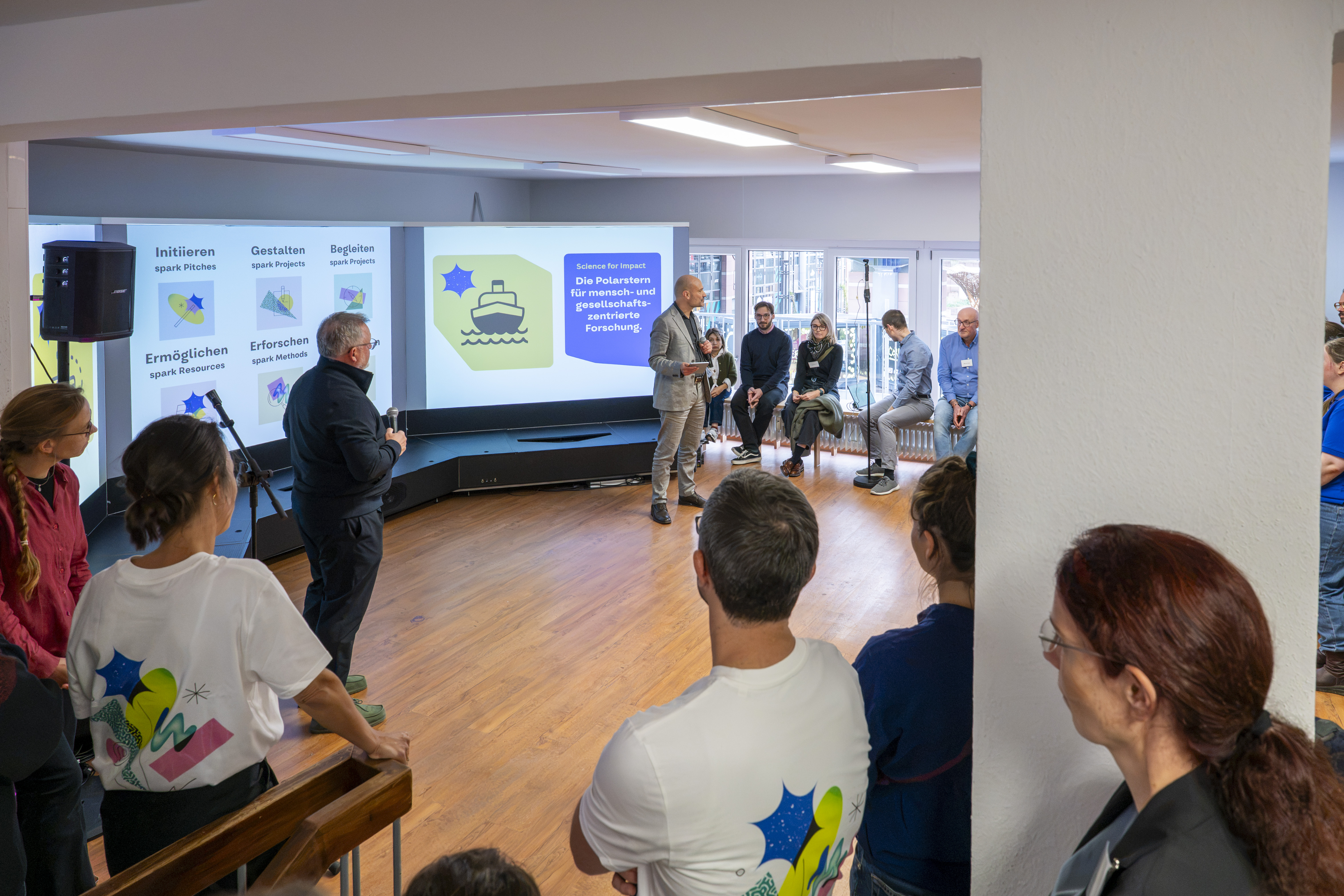
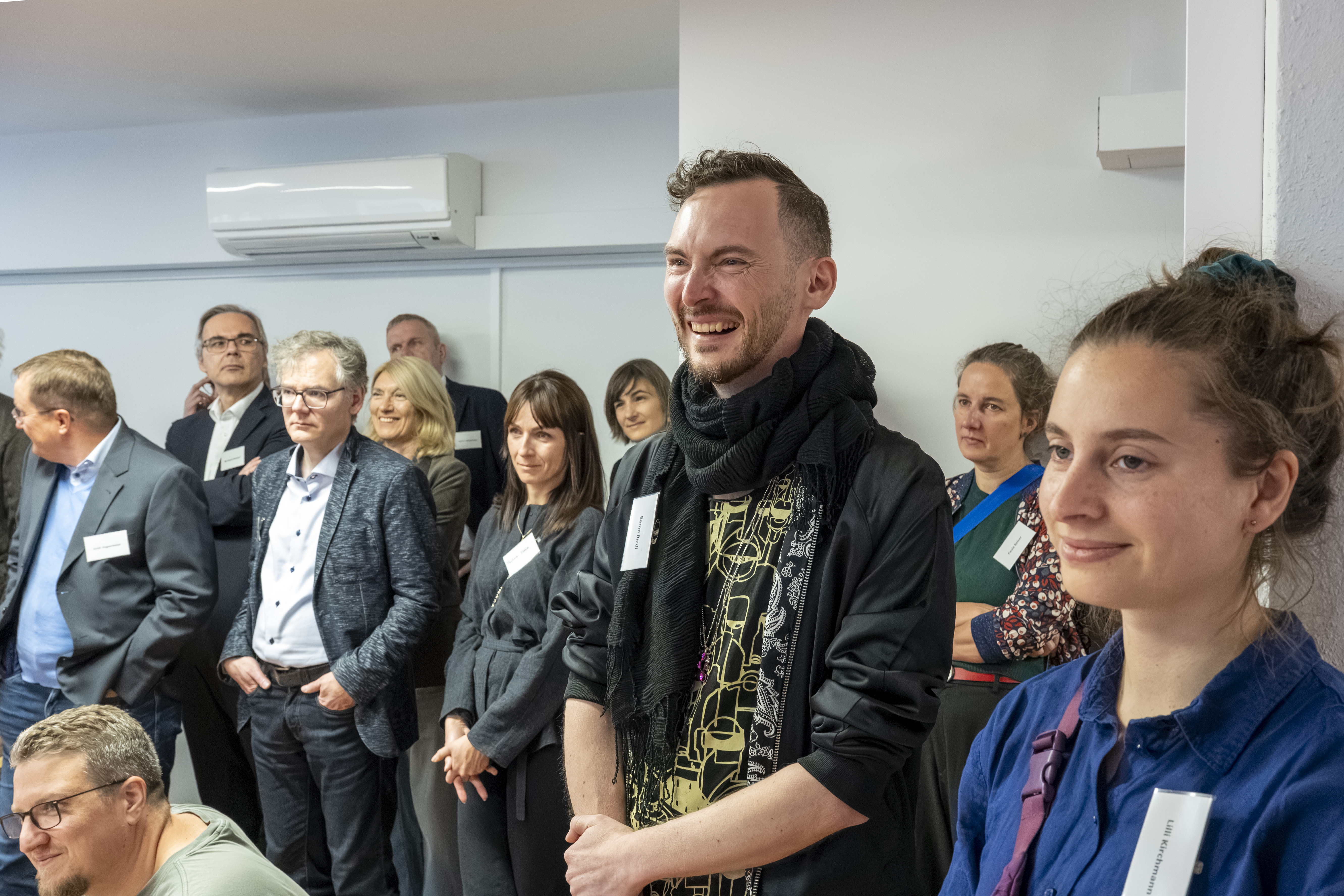
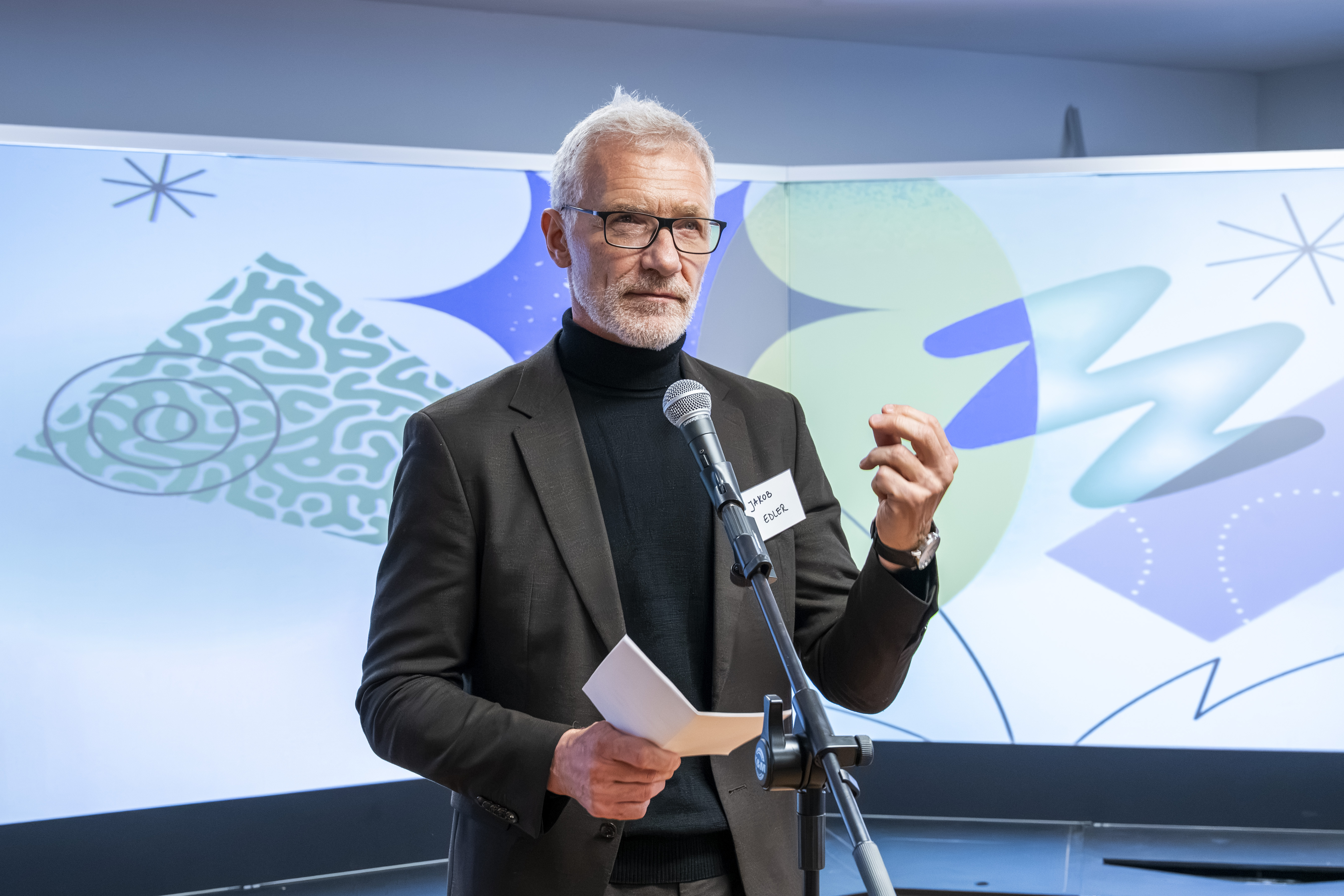
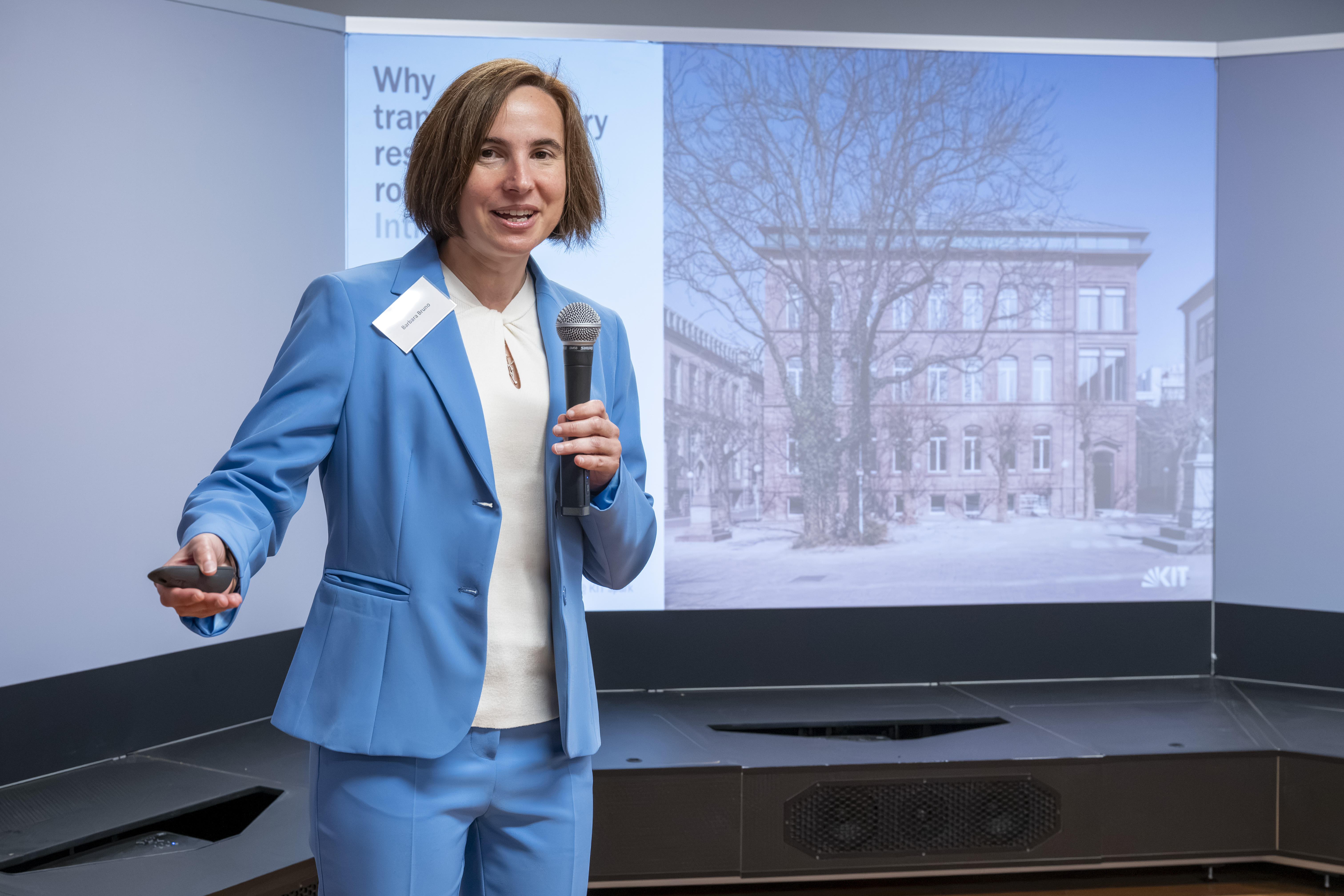
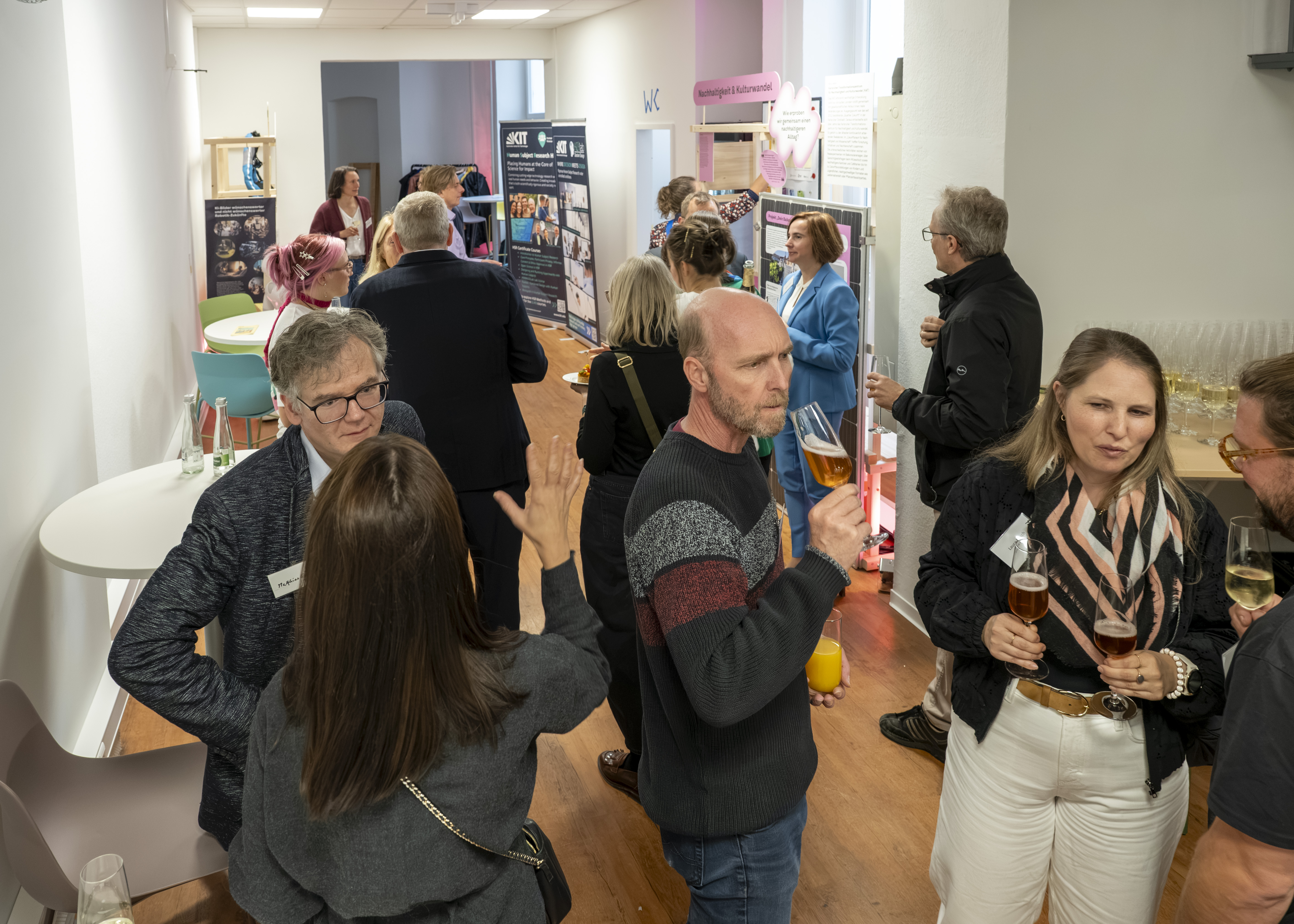
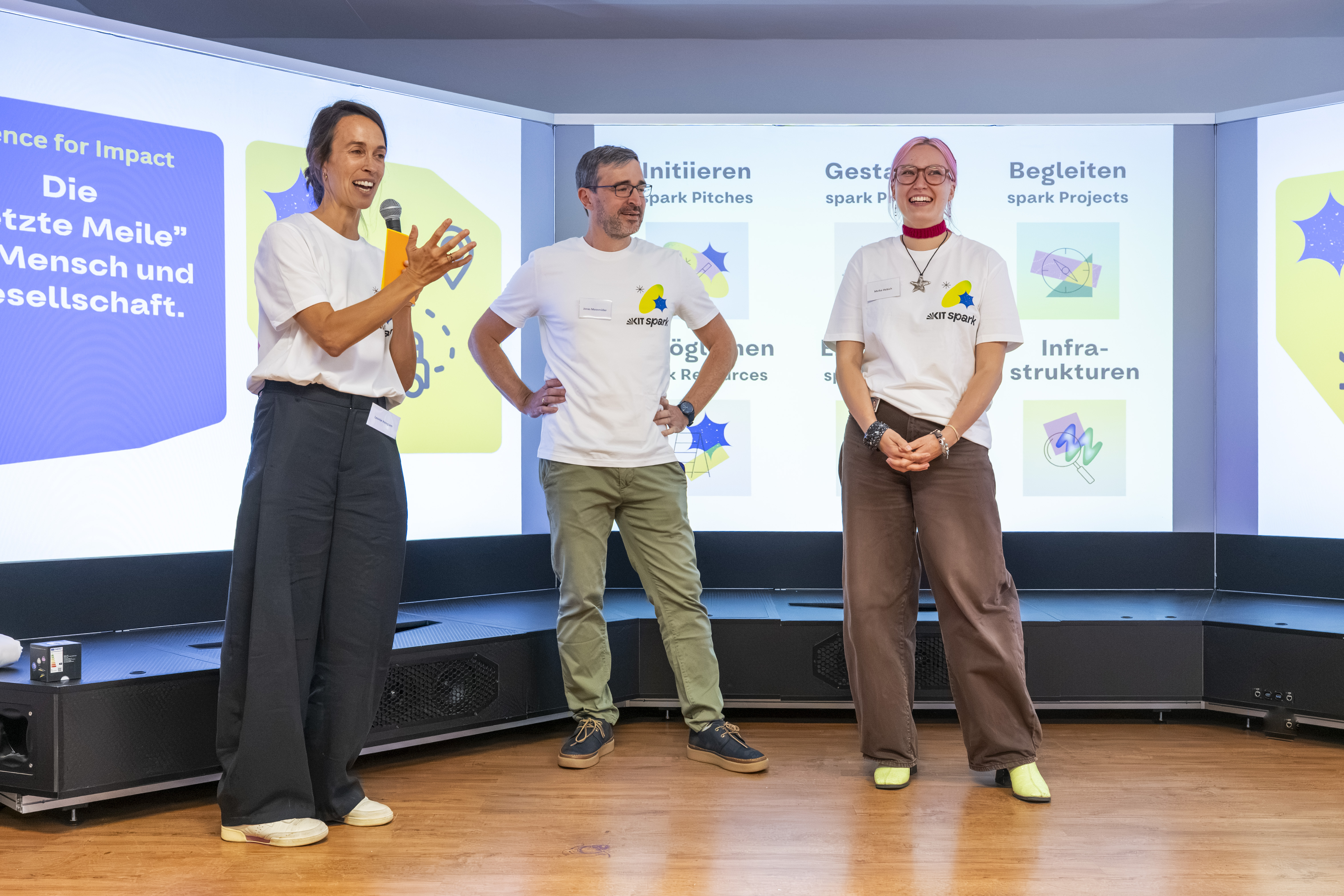
KIT spark is designed to provide space, resources, and support to further develop ideas and guide research projects from the initial concept through to implementation. Christof Weinhardt, professor of business informatics and co-initiator of KIT spark, emphasized that the “last mile” in particular is challenging and risky during the implementation of an idea or a product. Jakob Edler, Professor of Governance of Transformative Innovation at KIT, added that KIT spark is not intended to provide support only during this final stage: interested parties can join regardless of where they currently are in the development of their idea.
Using the metaphor of the Polarstern research vessel—a vessel that conducts ocean research in a unique way and provides guidance to those involved—Daniel J. Lang, Professor of Real-World Laboratory Research and co-initiator of KIT spark, described the significance of KIT spark for transdisciplinary research. The goal, he explained, is to create spaces for long-term collaboration that provide the necessary tools to understand how complex transformation processes function within social, ecological, and technological systems—and how these processes can be actively shaped. In this way, research should contribute to sustainability and resilience in society.
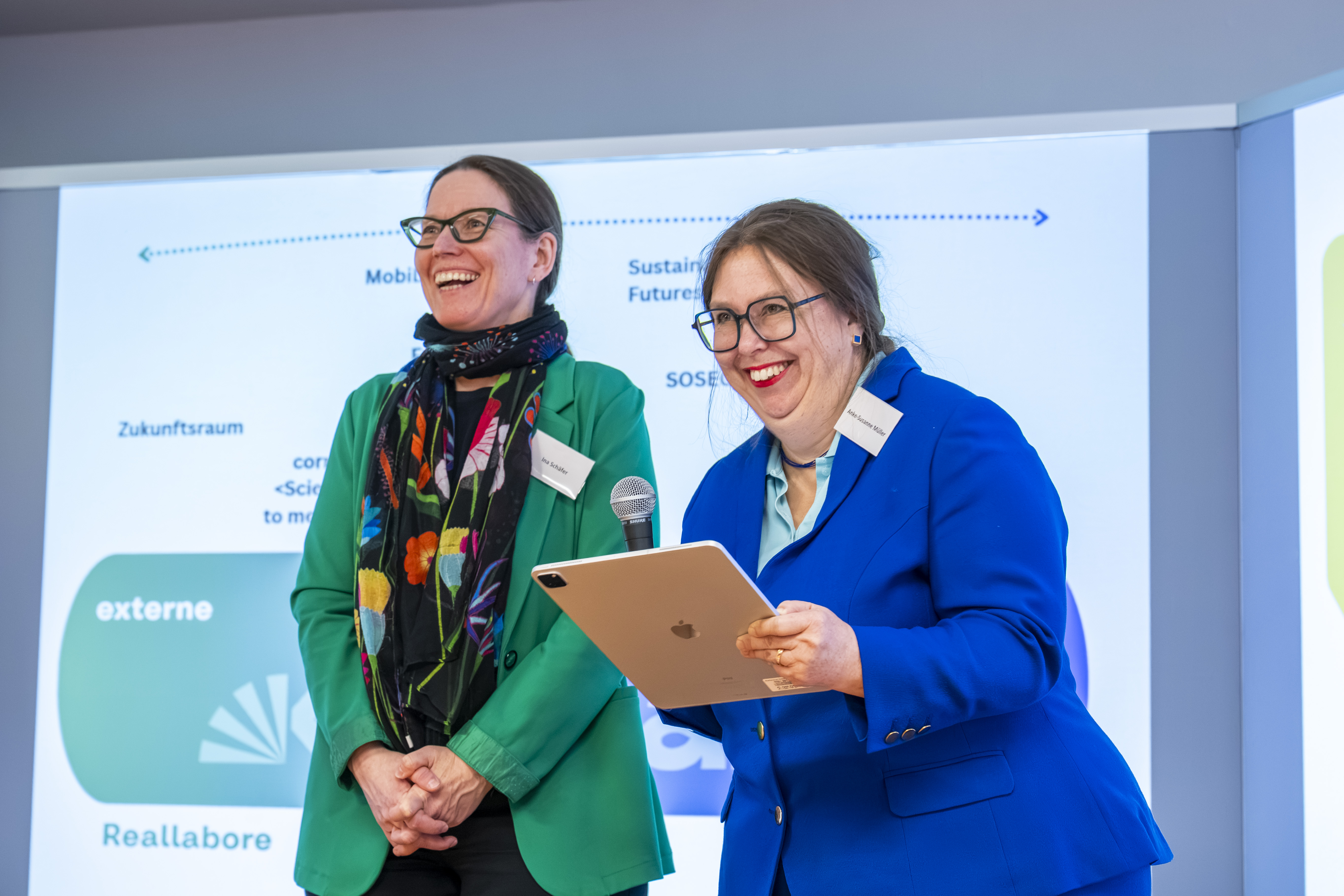
KIT spark breaks through the insular circle of scientists who primarily discuss issues among themselves, enabling the scientific community to engage with the city and exchange ideas with stakeholders from politics, science, and culture. Furthermore, KIT spark opens up opportunities for students and citizens to engage with research. Technological solutions must be brought together with people, added Ina Schaefer, professor of software engineering at KIT.
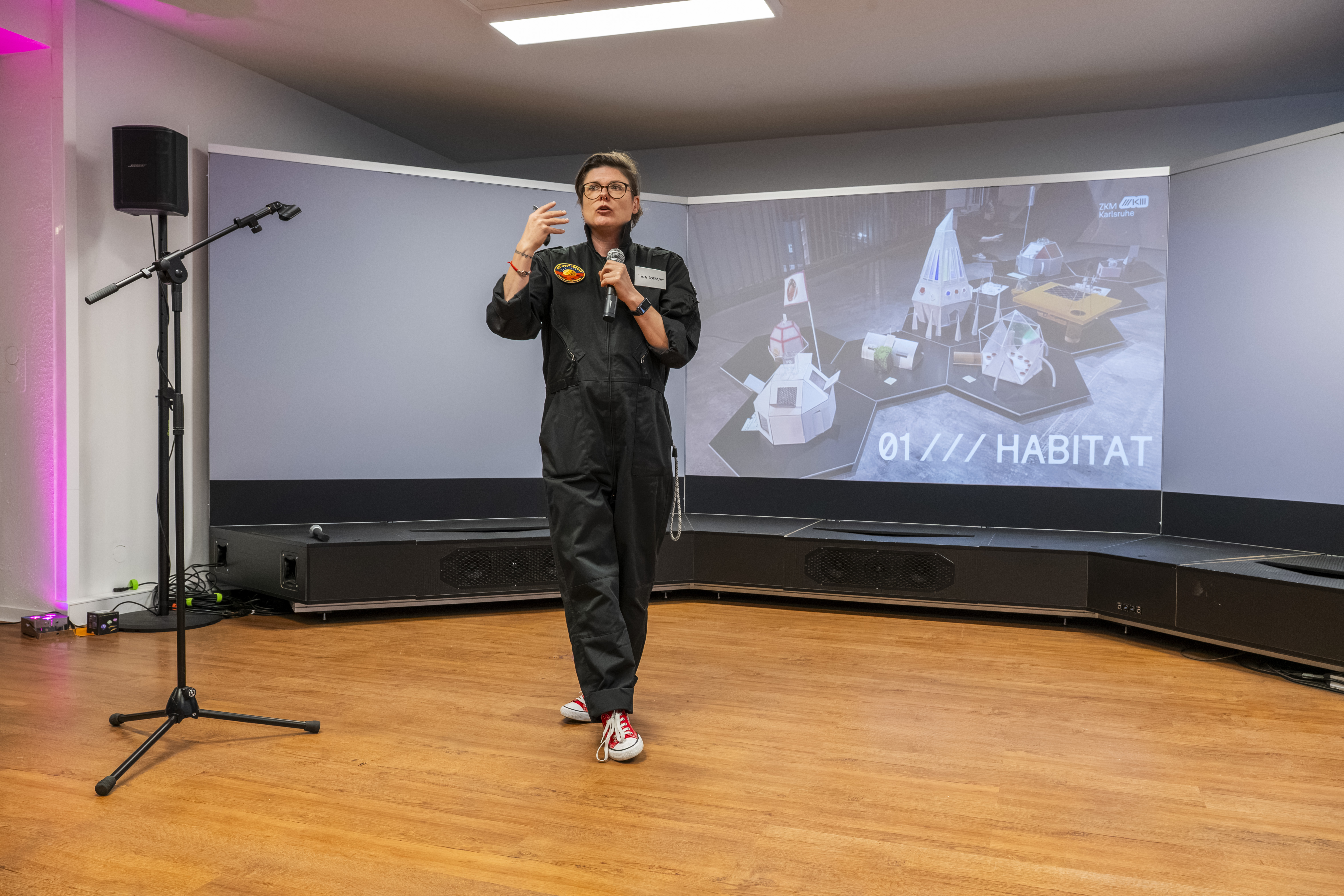
To draw a connection to art, Tina Lorenz, head of the Hertzlab at the ZKM, pointed out that science, society, and art are closely intertwined. It is important to meet on equal footing. KIT spark makes this possible right in the heart of the city: with its open doors, the space invites the public to participate in the dialogue.
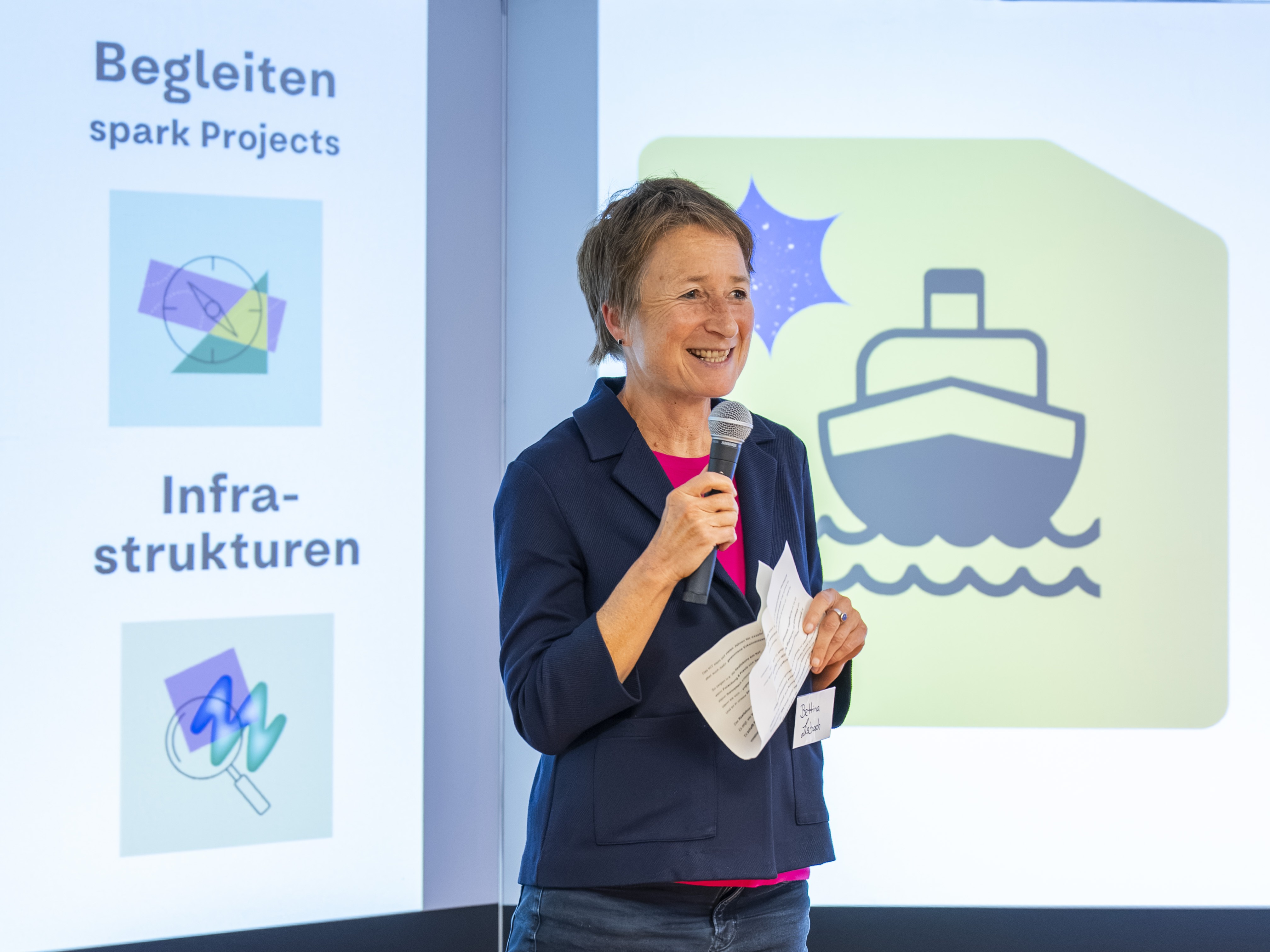
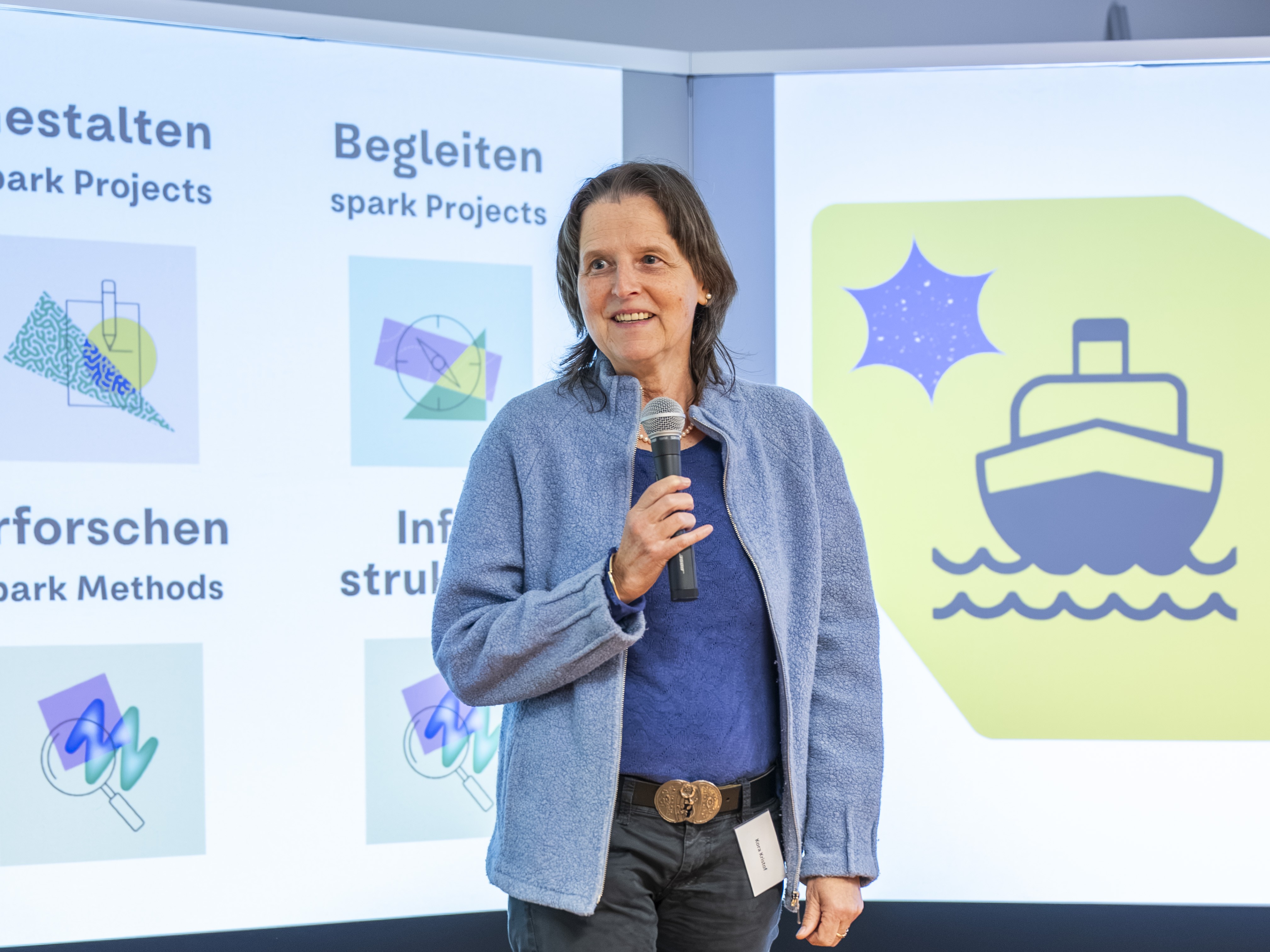
A heartfelt thank you also goes to all the other participants who helped shape the opening with their contributions and insights. These include Kora Kristof, Vice President Digitalization and Sustainability at KIT and Chief Information Officer (CIO) of KIT; Bettina Lisbach, First Mayor Anke-Susanne Müller, Professor of Particle Accelerator Physics, and Barbara Bruno, Professor and Head of the Socially Assistive Robotics with Artificial Intelligence (SARAI) research group.
The following Saturday, KIT spark opened its doors to anyone curious to learn more. In an exhibition designed in collaboration with the agency Ellery Studio, visitors could explore KIT’s reality labs and gain insights into their diverse topics and projects through a scavenger hunt. A heartfelt thank you goes to the three reality labs that presented their projects on-site for visitors to try out: Karlsruhe Transformation Center for Sustainability and Cultural Change (KAT), the Robotic AI Reality Lab with the robot Pepper, and the Accessibility Reality Lab.